The Plantation
INDONESIA · BALI · MUNDUK
Munduk Moding Plantation, Munduk, Buleleng, North Bali
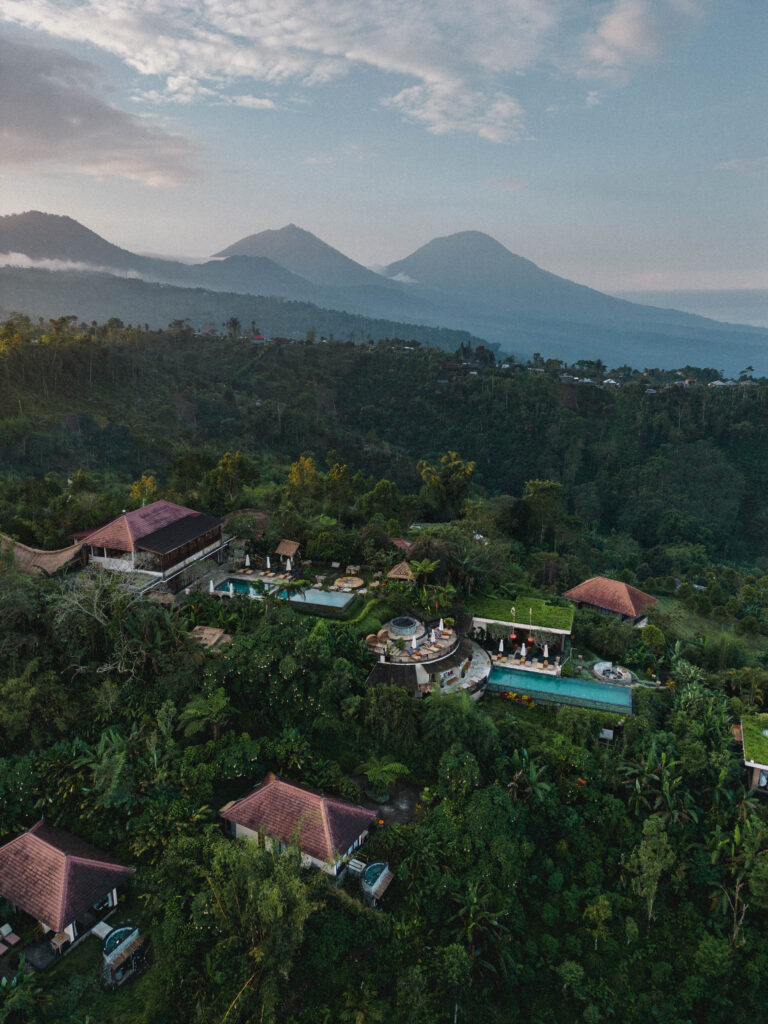
At twelve hundred metres above sea level, the highlands of North Bali have always been different. The mist arrives before dawn, the volcanic soil is dark and deep. The temperature drops at night in a way the coast never does. The Dutch colonists who came to Singaraja in the nineteenth century found, in the Munduk highlands above the town, conditions ideal for coffee. Coffee has been cultivated in the Munduk highlands since the Dutch colonial era, benefiting from the region’s fertile volcanic soil, cool mountain climate, and high elevation. For a century, the hill stations of Munduk and Gobleg were among the most productive coffee regions in Bali. The trees growing here today are said to be descendants of those plantings.
book here directly at mundukmodingplantation.com
The Plantation
The Dutch established their colonial centre in Singaraja, the northern coastal town below the Munduk highlands. It was here, in the north, that their presence in Bali was strongest and longest. In the highlands above, they planted coffee. When prices fell in the 1990s, many farmers moved to other crops, and the plantation became less active.
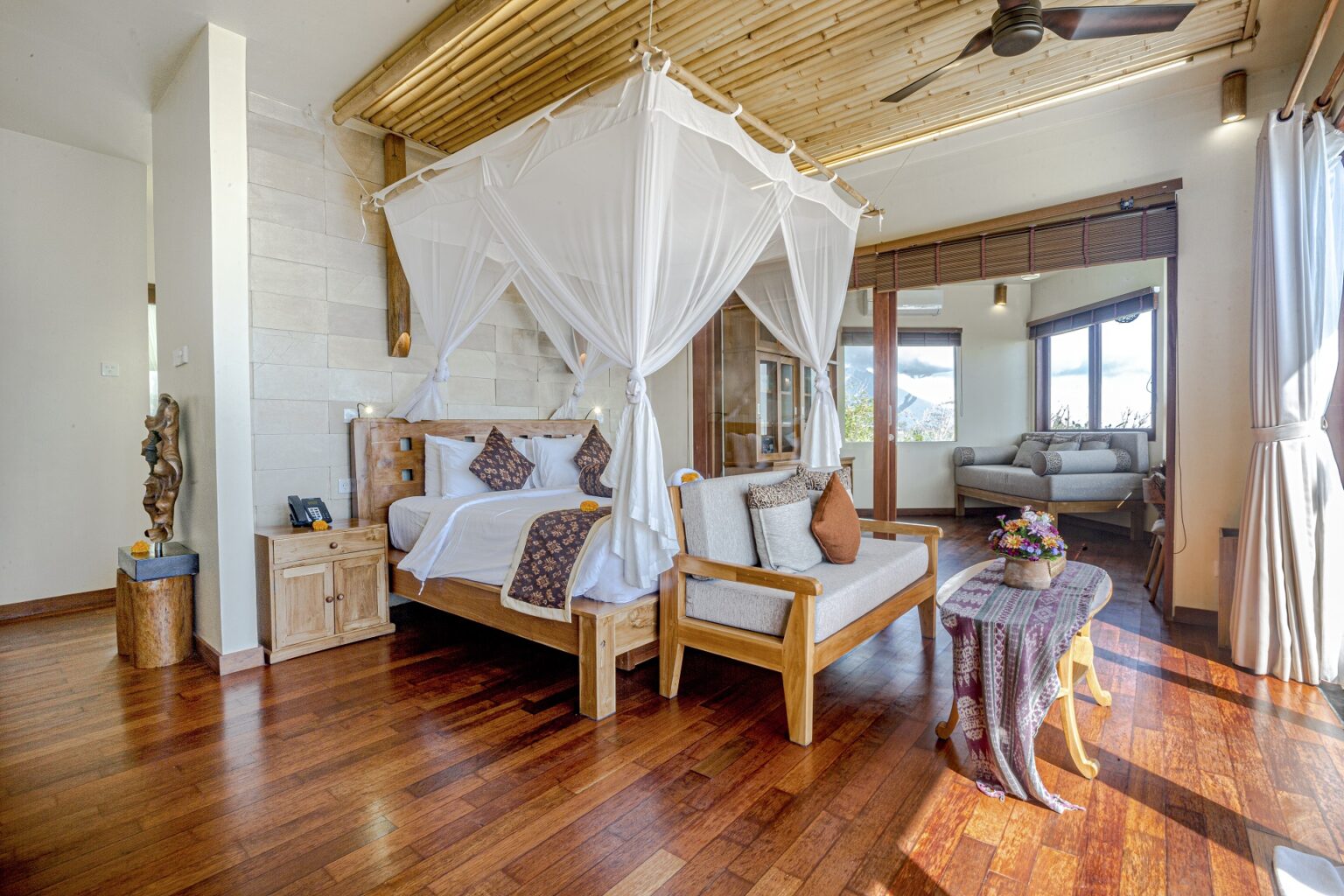
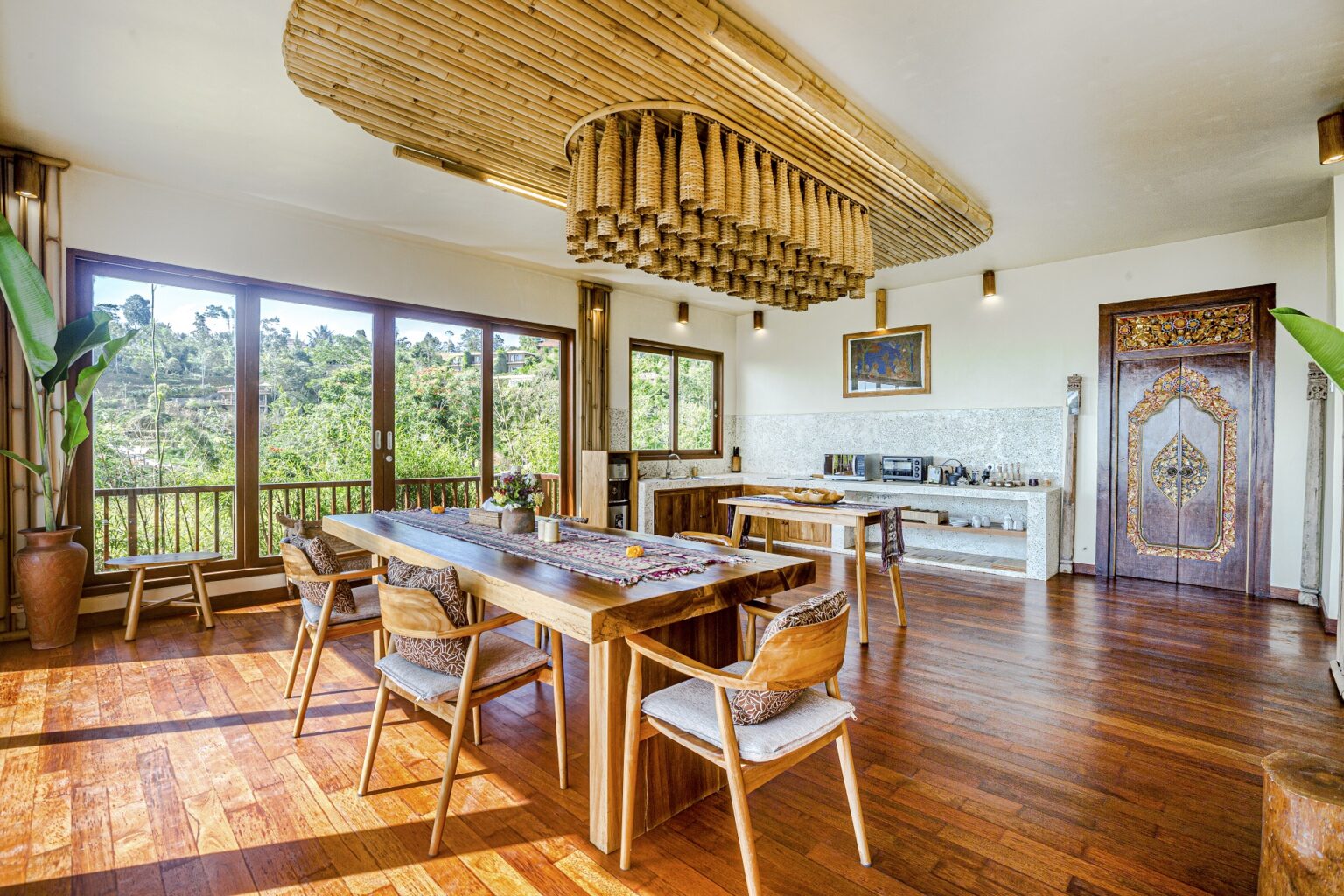
In 2007, a new chapter began as the plantation was carefully restored and transformed into a low-density resort rooted in nature, community, and Balinese design. Bali’s own architects Popo Danes and Era Anastasia designed the resort — low density villas built by the community around the plantation, a bamboo community hall, a bamboo spa.
North Bali carries its history in what remains — the colonial past present in the coffee trees, the Dutch-era architecture in Singaraja, the complicated origins of the tourism that eventually followed. To travel here with that history in mind is not to see it differently but to see it more fully.
The plantation is guided by Tri Hita Karana — the Balinese principle of harmony between humans, God and nature.
The Stay
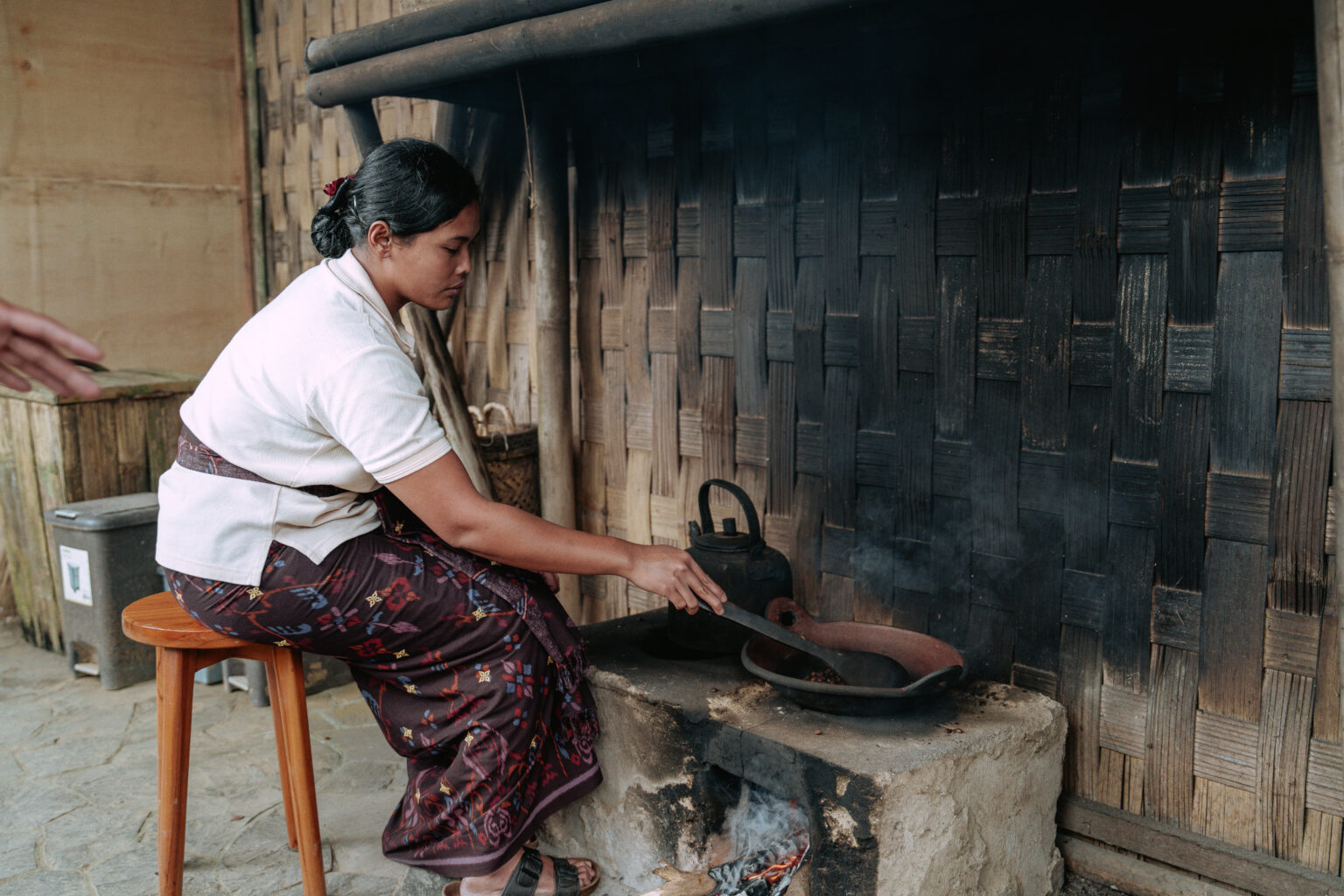
The plantation is the experience. Mornings begin with the bean to cup journey — walking the rows of Arabica trees, understanding the harvest, following the coffee from the crimson cherry to the roastery to the cup in your hands. The harvest runs from April to August, when the coffee cherries are picked at their ripest. The beans are traditionally dried under the sun, then sorted with the support of machinery and carefully double-checked by hand.
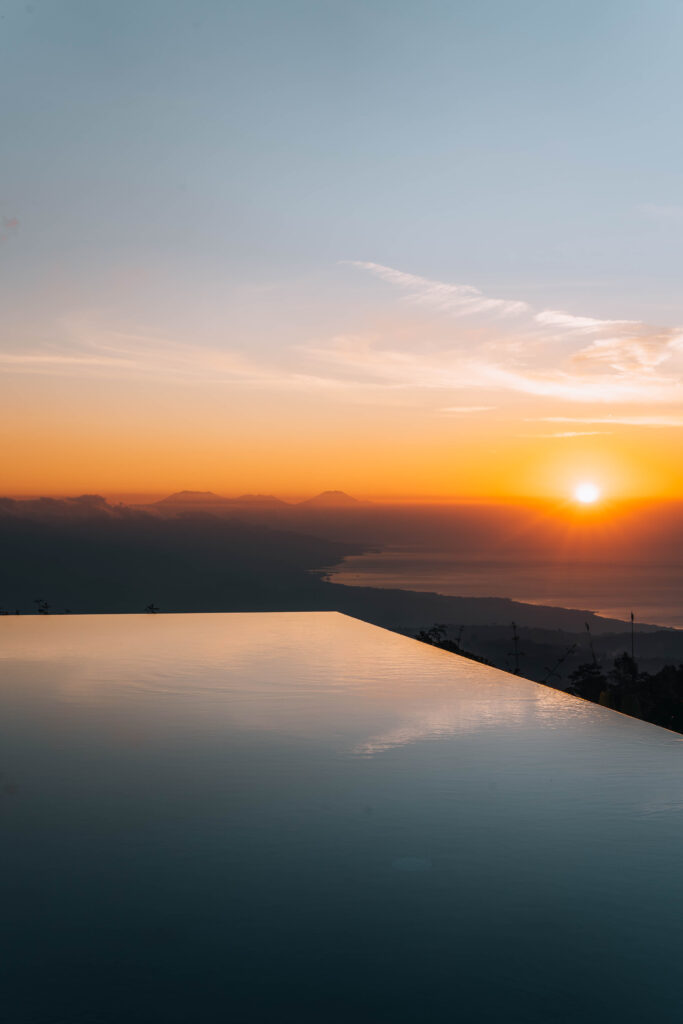
The infinity pool faces the hills — on clear days the distant coastline of North Bali is visible below. The afternoon brings ginger tea and homemade cookies to the villa. As the temperature drops in the evening, fires are lit around the communal area. Marshmallows, blankets, the stars above the plantation.
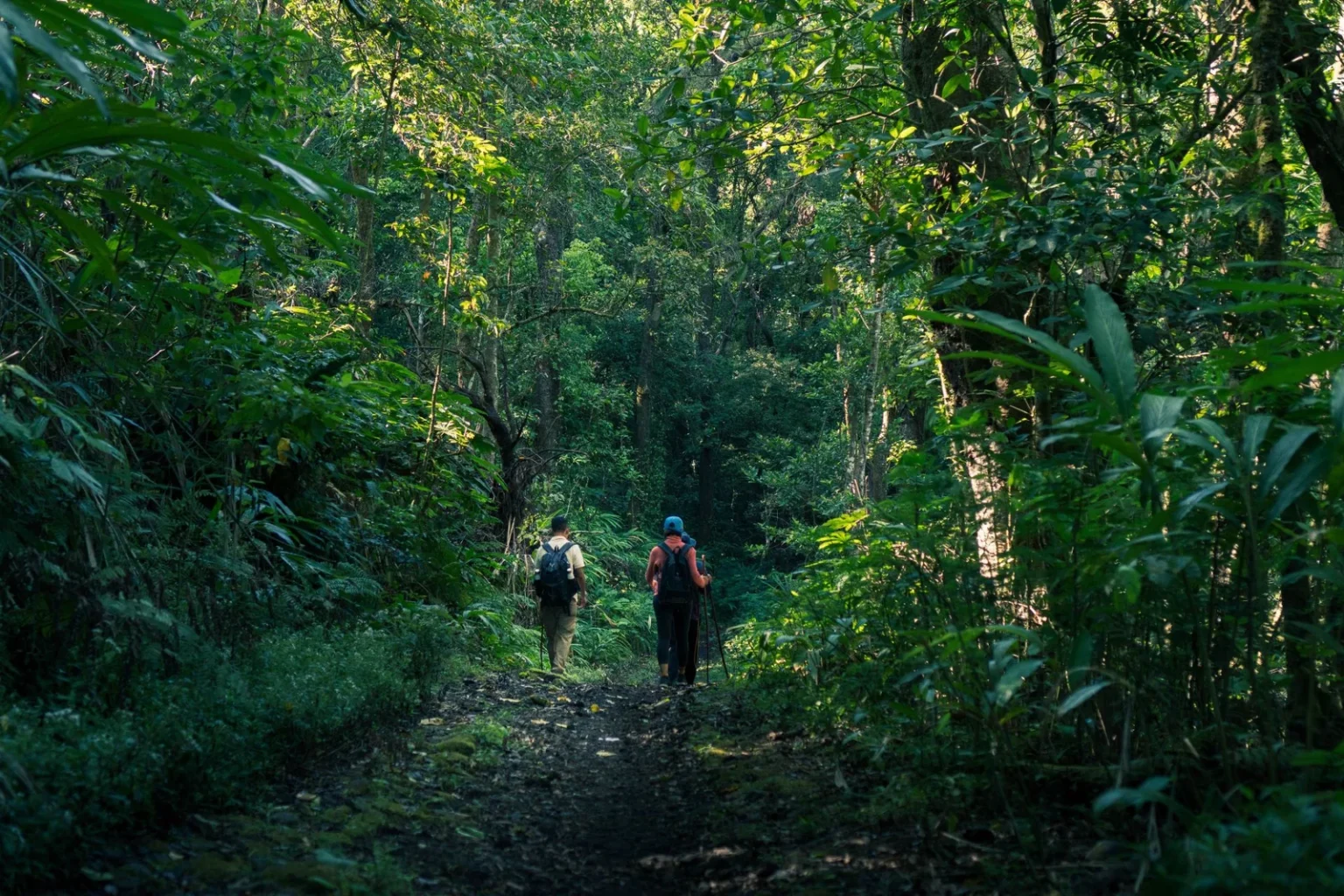
Beyond the coffee: birdwatching at dawn through the plantation before the mist clears. Jamu workshop — traditional Balinese herbal tonics made from the garden’s own herbs and spices. Balinese offering making — weaving flowers, plants and bamboo into the sacred forms that are part of daily life. Cooking class in traditional Balinese cuisine. Trekking, cycling, horse riding through North Bali’s villages.
The Particulars
The coffee tour — bean to cup, through the working plantation.
The infinity pool — facing the hills and on clear days the distant coastline.
Birdwatching at dawn — through the coffee trees, before the mist clears.
The evening bonfire — fires lit as the temperature drops, marshmallows, blankets, the stars above the plantation.
Jatiluwih rice terraces — a UNESCO World Heritage landscape and a scenic drive from the resort. The most beautiful terraces in Bali, significantly less visited than Tegalalang.
Banyumala Twin Waterfalls — one of North Bali’s most beautiful natural attractions, featuring twin cascades flowing into a pristine natural pool surrounded by lush tropical forest.
Who it’s for
For those who want North Bali — the highlands, the mist, the coffee, and a quieter side of Bali.
Photography courtesy of Munduk Moding Plantation