Where the Soil Remembers
JAPAN · KYOTO
Park Hyatt Kyoto, Higashiyama-ku, Kyoto
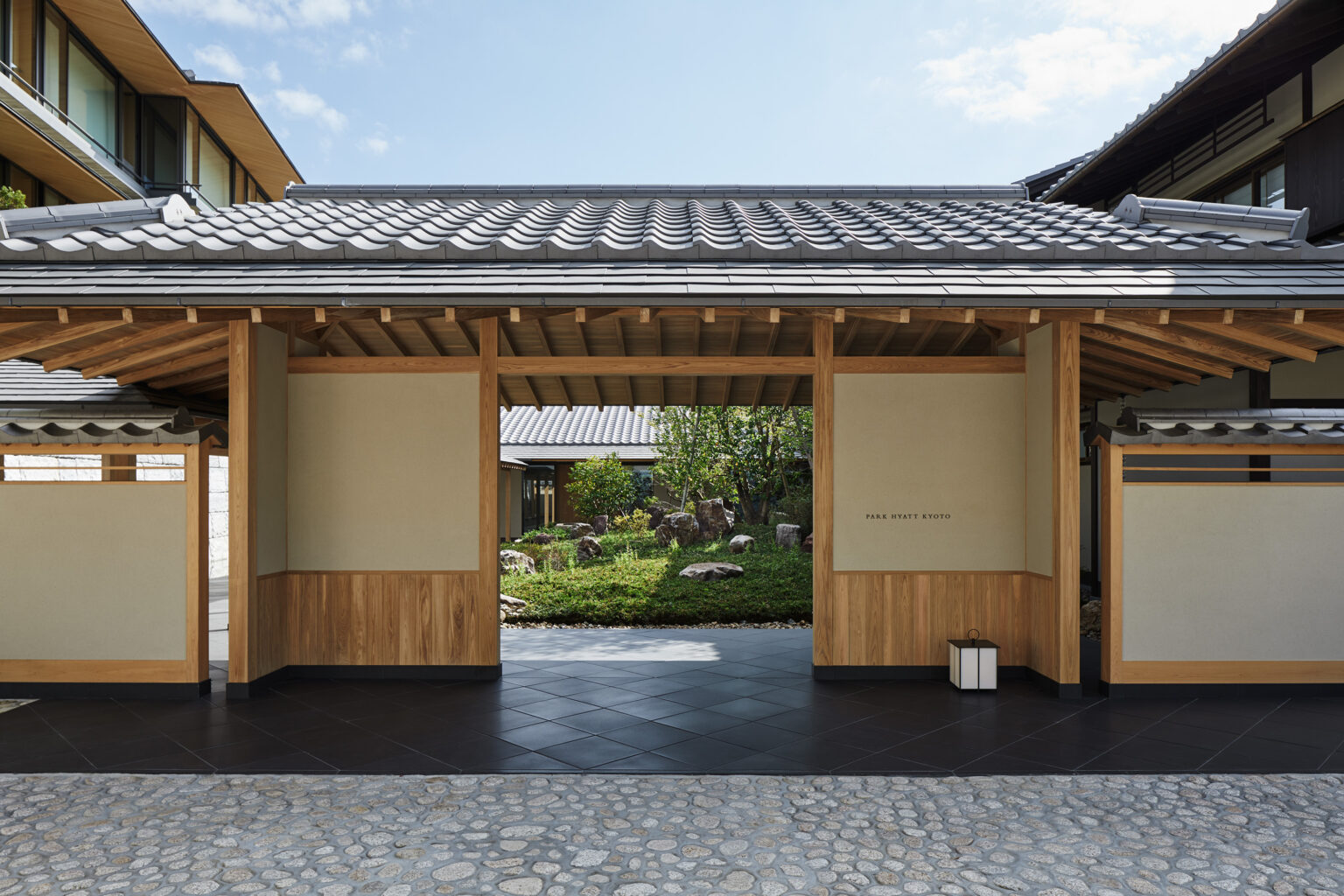
The five-storey pagoda at the end of Ninenzaka has stood on this hillside since 678 AD — already ancient when Kiyomizu temple was founded a hundred years later, already fourteen centuries old when Park Hyatt Kyoto arrived in 2019 and quietly receded into the hillside. Low roofs, seventy rooms, every window turned outward. It was built to absorb, not to be seen.
This ground passed through Buddhist temple lineage, became part of Nishi-Honganji, then into the hands of Kyoyamato — a teahouse founded in Osaka in 1877. In the 1860s, the tatami rooms here were witness to secret meetings and political debates — the turbulent years in which Japan’s future was being contested.
The Building
Takenaka Corporation was founded in 1610 as shrine and temple carpenters — a family business that has been building temples and shrines in Japan for over four hundred years. Wood beams clasp without nails. The mukuri roofs descend gently outward, the way the roofs of court nobles always have. Walls in a beige-matted texture, a technique that dates to Toyotomi Hideyoshi’s Kyoto residence, Jurakudai. Each material chosen to catch the light differently as the hours pass.
The gardens were entrusted to Yasuo Kitayama — the same hand that shaped the gardens at Kodai-ji temple and Kenin-ji temple. Gardens should be incomplete. Made to shift with the light and the season.
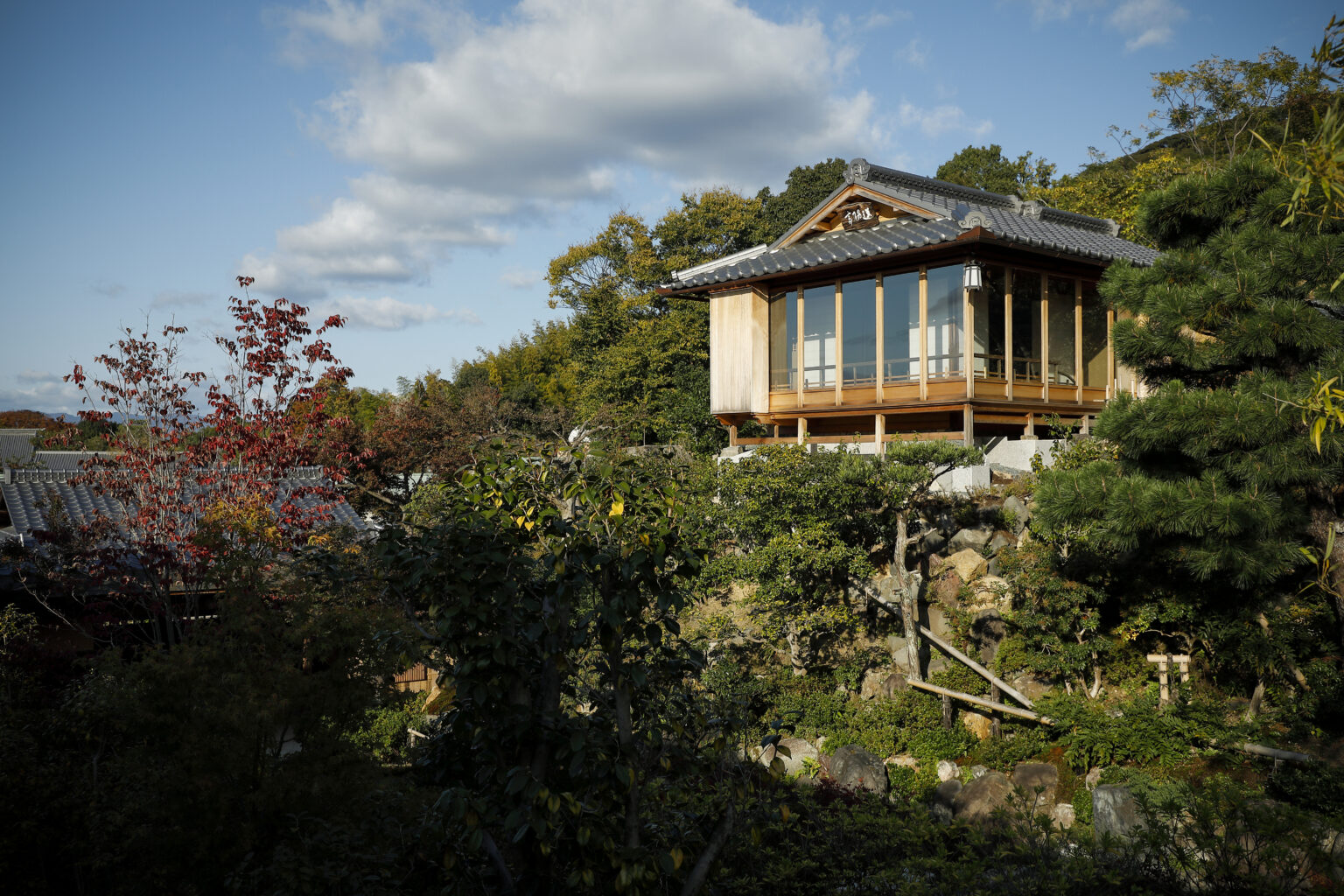
The hotel was built around what was already there. The Suikokan was repaired using basara, a centuries-old restoration technique, and still stands. The wooden tea rooms were moved whole to their new positions using hikiya, the traditional art of relocating buildings without taking them apart. The gourd-shaped pond was moved with the garden. It is still here. When construction began, the team found eggs of forest green tree frogs that had long lived in Kyoyamato’s ponds. They preserved them, raised them, and released them back when the work was finished.
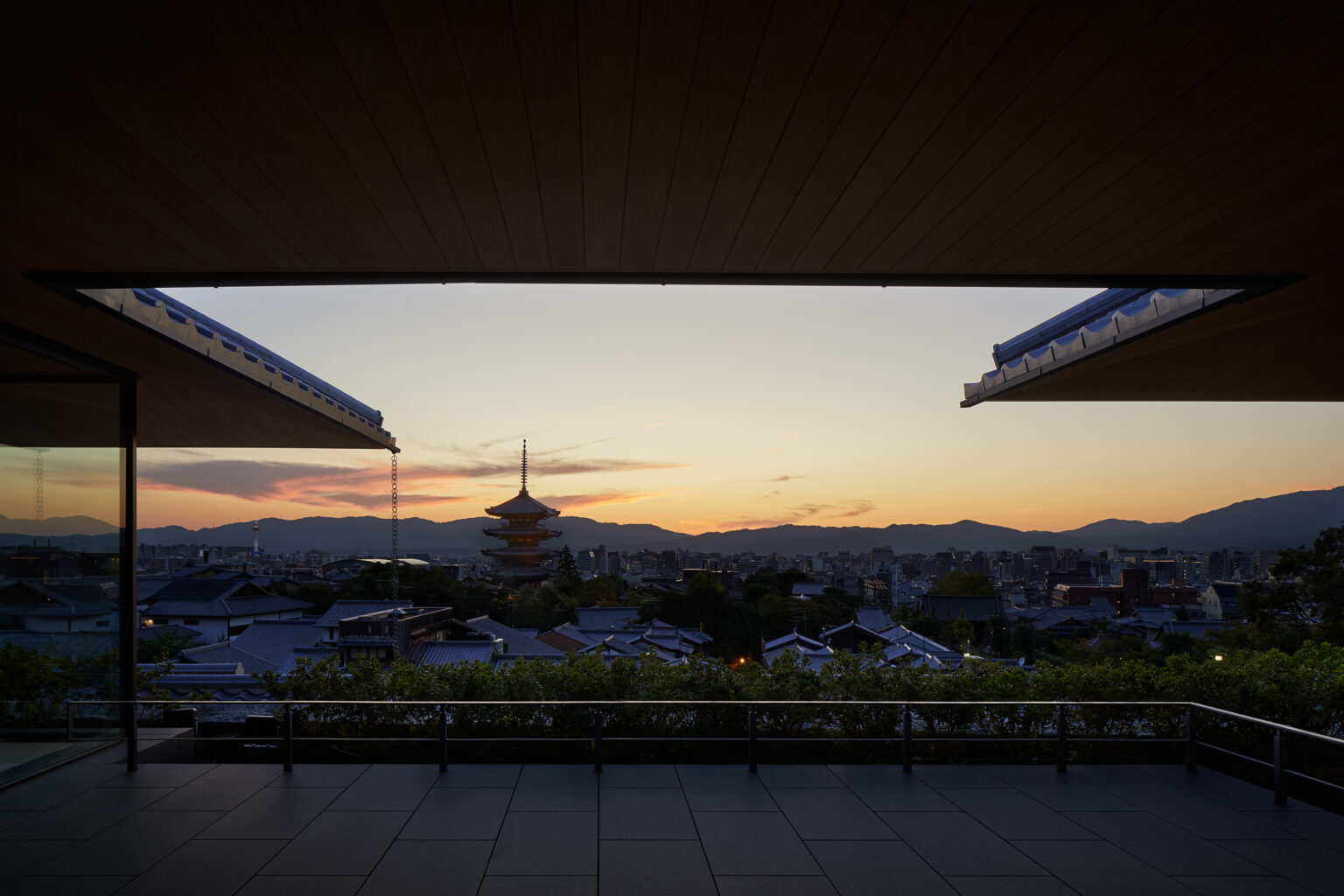
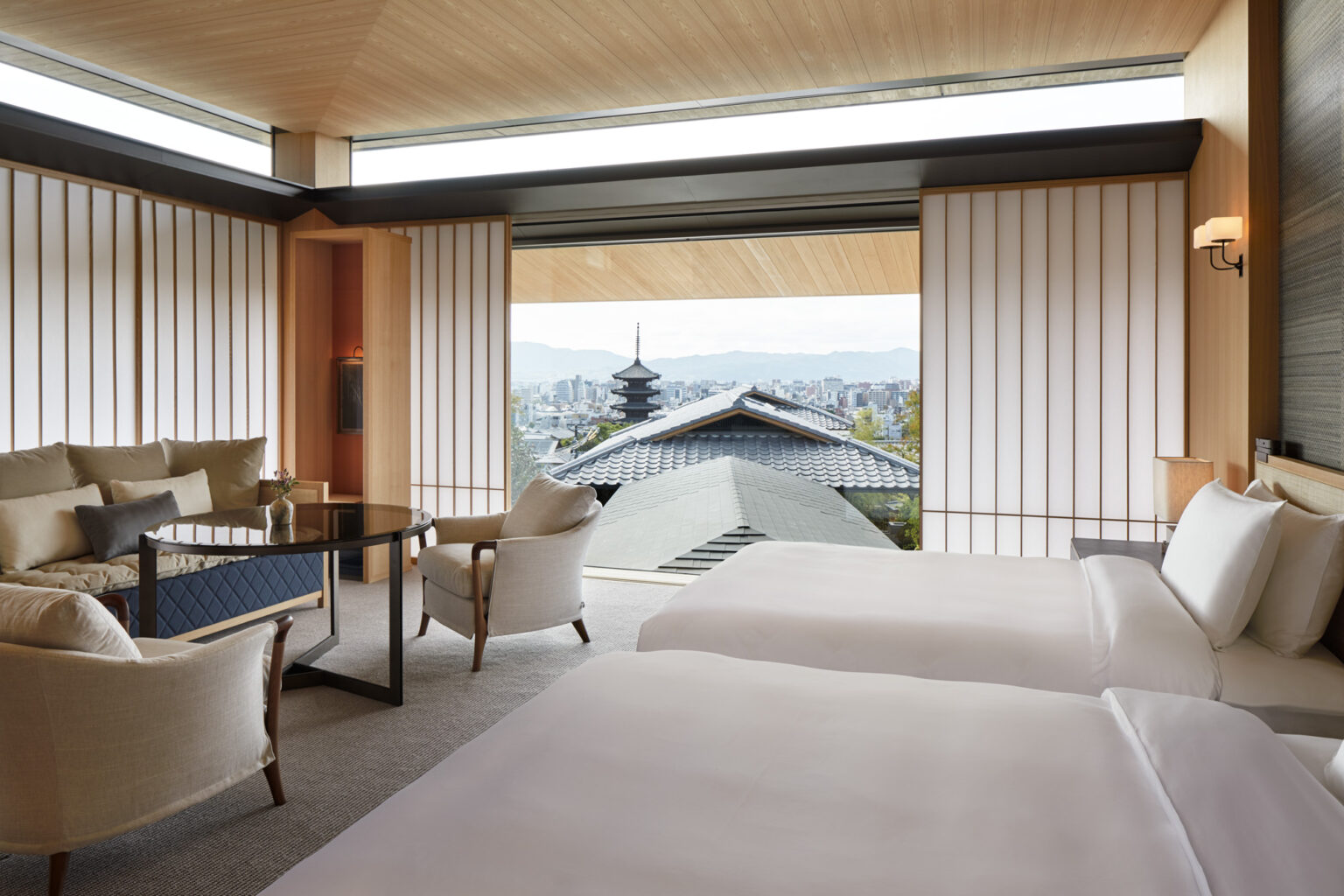
The hotel steps down the hillside in terraces, its low tiled roofs disappearing into the machiya townscape below. Guest rooms sit 150 metres from reception. Every sightline positioned to find Yasaka Pagoda from somewhere unexpected.
The Stay
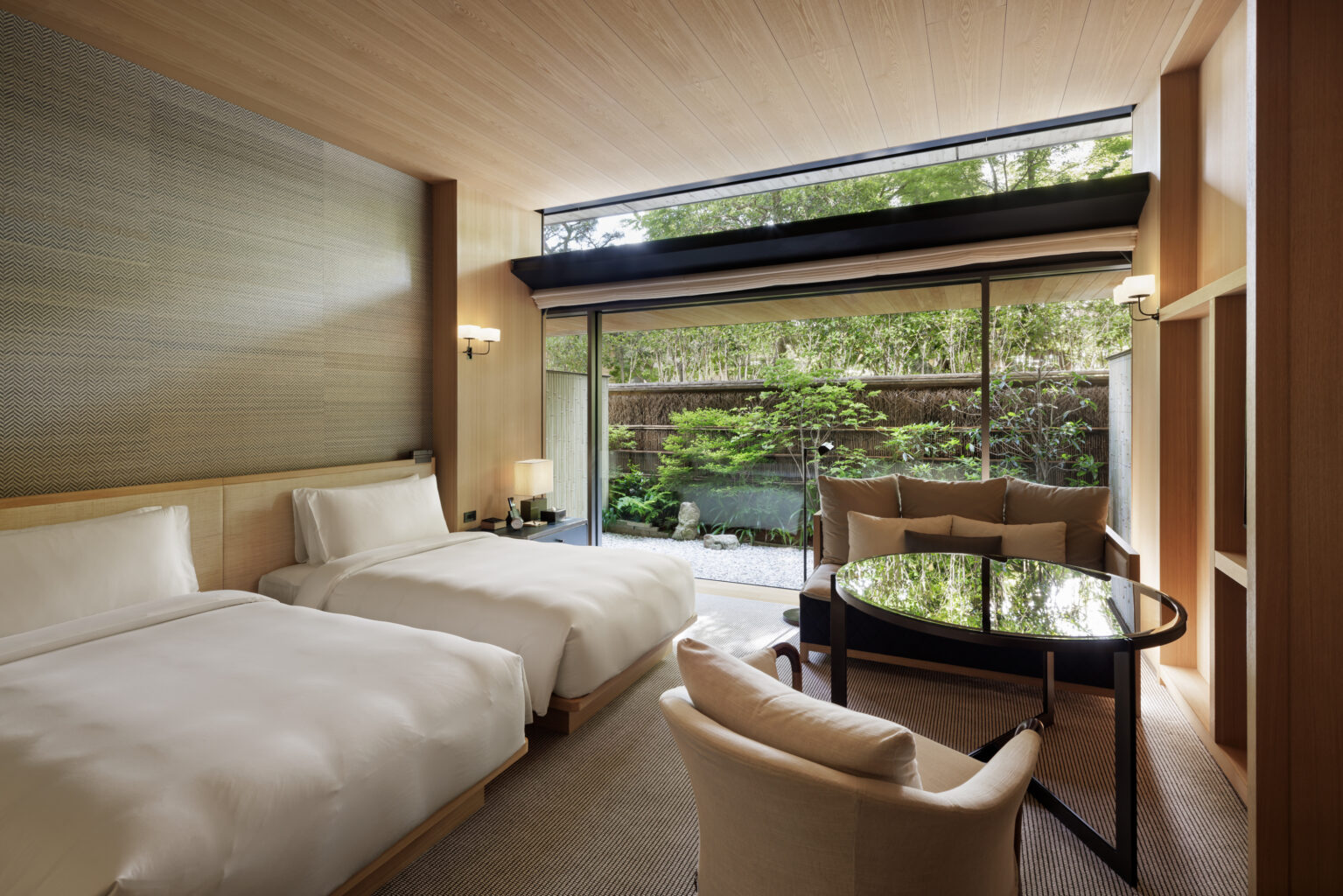
Seventy rooms and nine suites, each furnished in tamo wood, Japanese cypress, washi paper and soft textiles. The rooms are among the largest in Kyoto. The service is extraordinarily personal — guests describe staff anticipating needs before they are expressed.
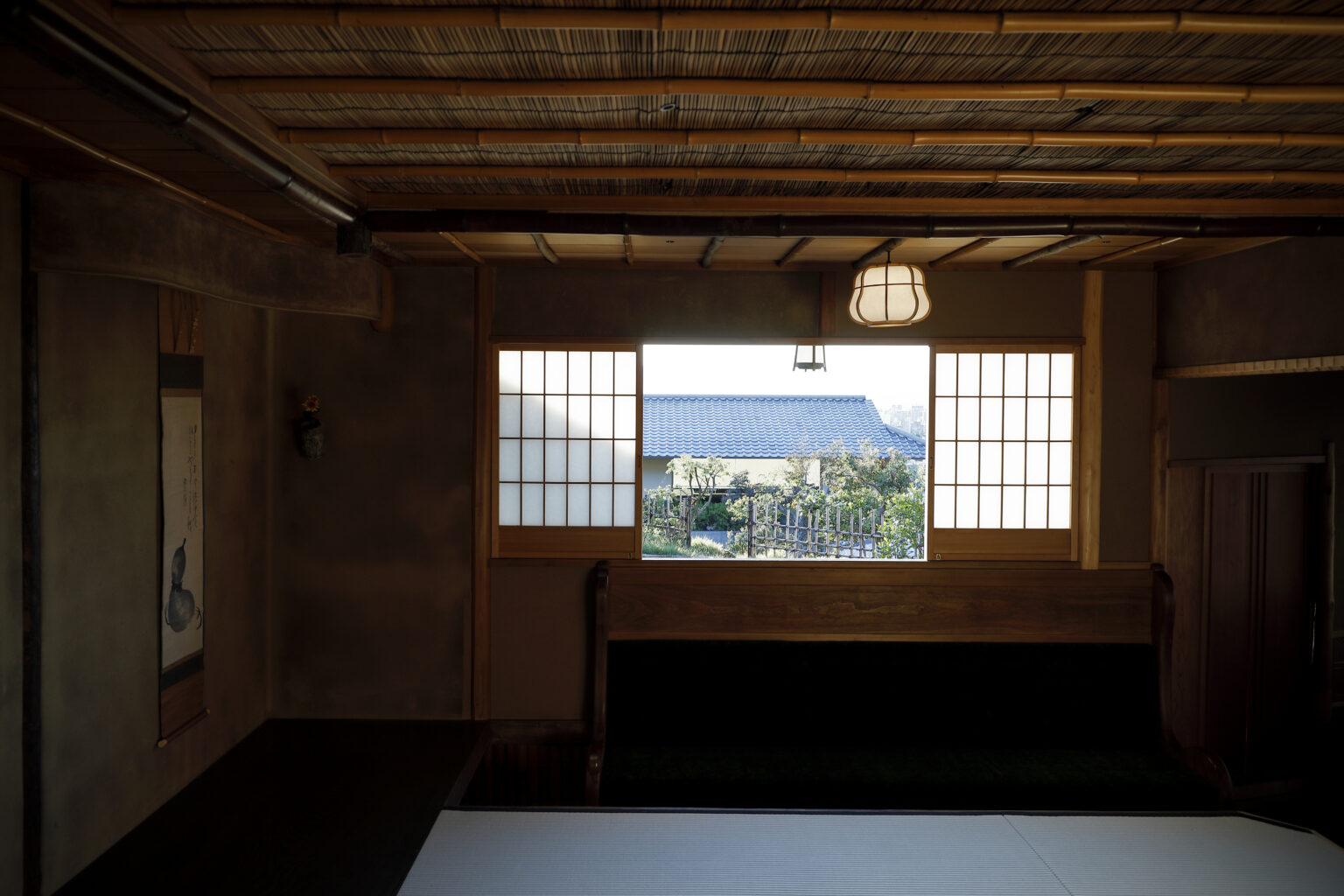
Kyoyamato, the seventh-generation kaiseki restaurant at the heart of the property, serves cuisine in the historic garden buildings. The menu changes entirely with the seasons. The Soyotei — the oldest building on the site — still opens its screens for private dinners, its tatami rooms scented with cedar and incense.
From the fourth floor, Yasaka Pagoda fills the window.
The Particulars
Private dawn access to Kiyomizu-dera — a sermon by the head priest and access to areas normally closed to the public. Five minutes on foot. At dawn, Higashiyama invites you to listen.
Tea ceremony in the garden — in the space that was moved, pond and all, when the hotel was built. Arrange through the hotel in advance.
Kohaku bar — on the fourth floor, fifteen seats, floor-to-ceiling windows framing Yasaka Pagoda. Book a table before sunset.
Ninenzaka at dusk — the cobbled lane immediately outside, the machiya townhouses lit by paper lanterns. Walk it every evening. It is different each time.
Who it’s for
For guests who want the most considered stay in Higashiyama. Who will walk to Kiyomizu-dera at dawn and return in silence. Who are quiet enough to hear what this ground has been holding for fourteen centuries.
Photography courtesy of Park Hyatt Kyoto